Our mission is to provide information, advice, support and advocacy, rooted in lived experience, to strengthen family relationships and enable access to trauma-responsive care within systems that fully respond to families’ needs.
Founded in 2020 by an adoptive parent and a clinical psychologist, The Belay Foundation was created to address a critical gap: practical, in-home, trauma-responsive support for families raising children with complex trauma histories. Families told us they needed trusted support workers who could step into the home, offer respite, build safe relationships and help parents sustain the emotional labour of parenting. Everything we do is shaped by lived experience and guided by our values of empathy, respect, professionalism, learning, partnership and innovation
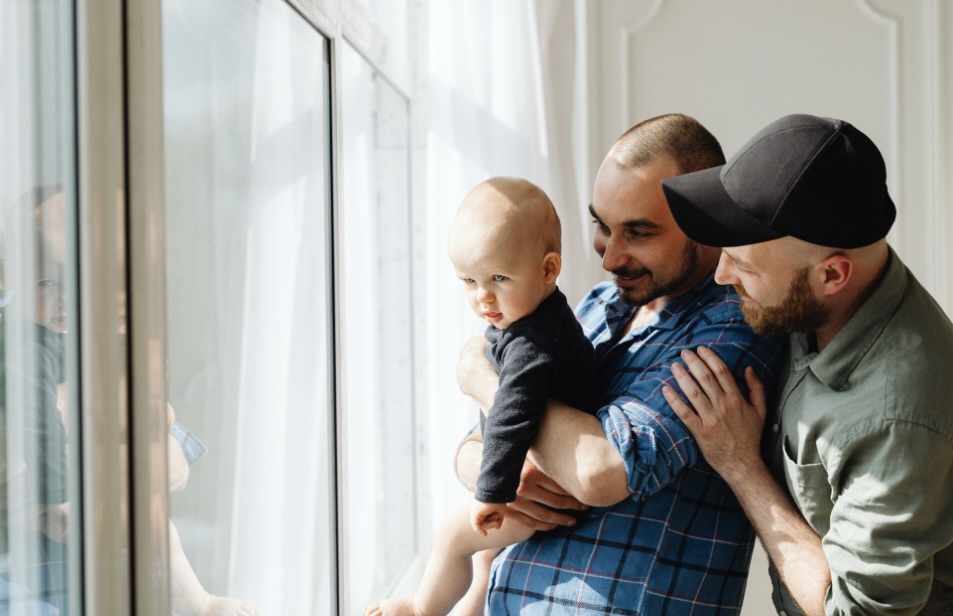

Each year, thousands of children enter these families in the UK, joining over 55,000 adoptive families and more than 140,000 children in kinship care.
Many children have experienced abuse or neglect and are far more likely to live with neurodivergent and developmental conditions such as autism, ADHD and FASD. These experiences shape how children learn, relate and regulate emotions, creating complex needs that can overwhelm families. According to Adoption UK’s Adoption Barometer 2025, 90% of adopted young people seek help for their mental health.
Parents are deeply committed but often exhausted, isolated and under-supported. Financial strain, lack of suitable childcare, and limited trauma-aware services mean many families reach crisis point. These parents are doing some of the most demanding parenting in society—often without the support they need.


Parenting a child who has experienced early trauma can be emotionally and physically exhausting. The Belay Foundation becomes part of the team holding the rope—helping families access practical in-home support, secure funding, and strengthen the wider network around a child. Our work includes supporting families to recruit and sustain trauma-responsive Specialist Support Workers, providing training and supervision, offering disability benefits advice, delivering trauma-informed training, and influencing policy and funding.
All our services are grounded in evidence-based, trauma-responsive practice, particularly Dyadic Developmental Psychotherapy (DDP) and the PACE approach—Playfulness, Acceptance, Curiosity and Empathy—which underpin everything we do. Find out more here: About DDP – DDP Network.


Our work creates change both within family life and across the systems that surround families.
For families, this means safer and stronger parent–child relationships, improved parental wellbeing and resilience, greater child confidence and mental health, reduced financial stress, and access to a growing, trauma-trained support workforce. Feedback from families highlights reduced stress, increased placement stability, improved educational engagement and stronger relationships.
Beyond individual families, our work reduces isolation, strengthens trauma-informed practice across education, health and social care, and builds evidence for early intervention and public funding. By supporting families and influencing systems, we work towards lasting change—so families are no longer left to climb alone.
From time to time, we may ask service users to share feedback or information to help us learn. We are grateful to everyone who takes the time to do this. Your insight helps us strengthen our work, respond more effectively to families’ needs, and continue to develop thoughtful, trauma-responsive support.